SPG4: a guide for parents and families
For parents of a child with SPG4, and for anyone who wants to understand the condition: what causes it, how it shows itself (including when it starts in childhood), how it is inherited, how it is diagnosed, what care exists today and what research is exploring. Every medical statement has a source you can check.
- Content checked on
- GeneReviews SPG4 chapter last updated on
Page contents
What is hereditary spastic paraplegia
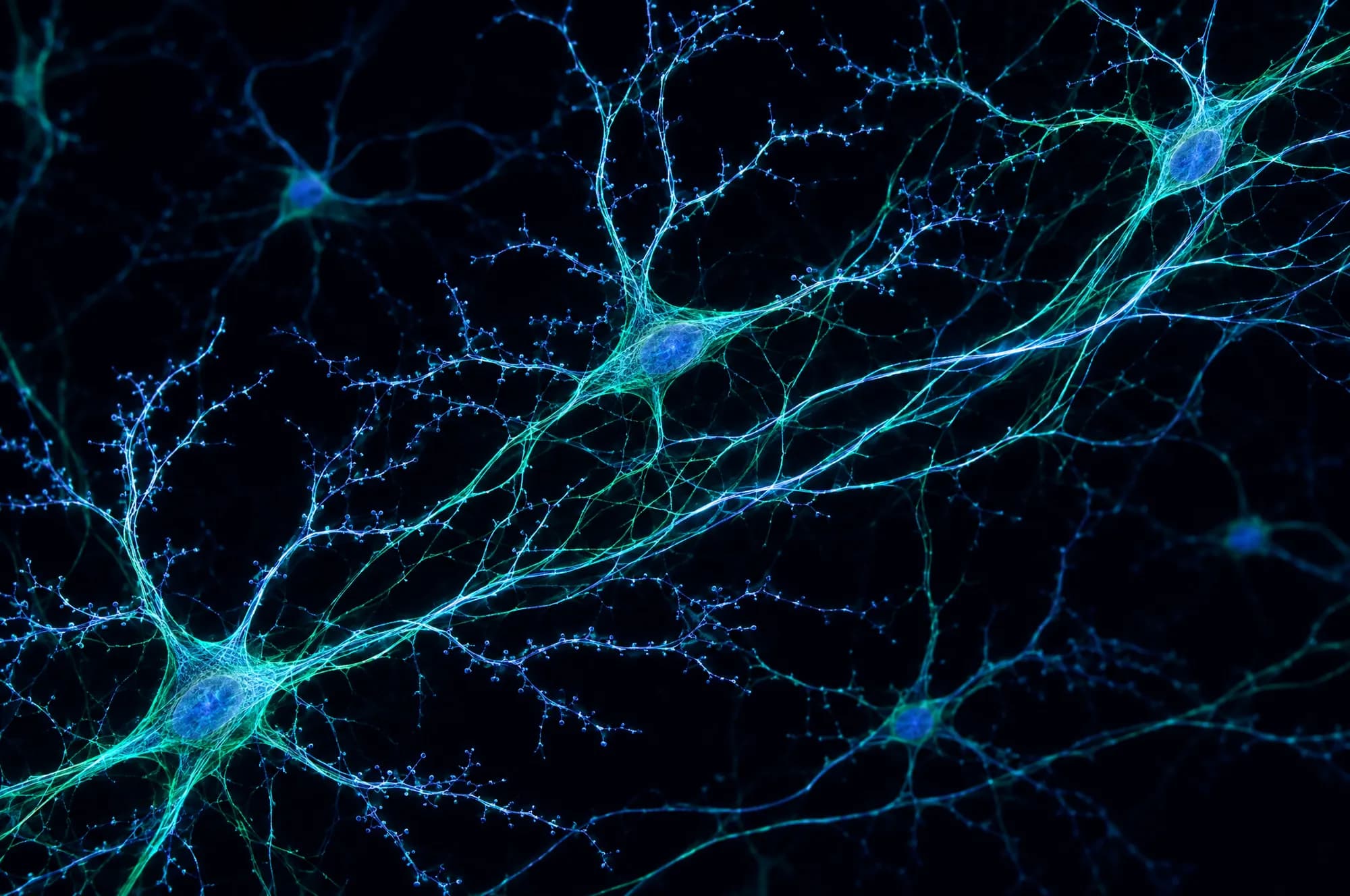
Hereditary spastic paraplegias (HSPs) are a large, genetically diverse group of inherited neurological conditions. What they share is a particular kind of degeneration: the far ends of the long nerve fibres in the corticospinal tracts — the pathways that carry movement commands from the brain, through the spinal cord, to the legs — are affected first.
This is why the main signs are spasticity (stiffness) and weakness of the legs that gradually increase.
Doctors distinguish pure (uncomplicated) forms from complicated ones, in which other neurological problems also appear, such as ataxia, seizures, intellectual disability or peripheral neuropathy.
These conditions are rare. A systematic review of studies worldwide found a prevalence of 0.5 to 5.5 per 100,000 people for the autosomal dominant forms, with a pooled average of 1.8 per 100,000.
- Upper motor neuron in the motor cortex
- Long axon running down the corticospinal tract of the spinal cord
- Far end of the axon: affected first
What is SPG4
SPG4, also called SPAST-HSP, is the form of hereditary spastic paraplegia caused by pathogenic variants in the SPAST gene. It is the most common autosomal dominant form in every population studied.
In most people SPG4 is a pure form: it mainly affects the corticospinal tracts and the posterior columns of the spinal cord, and other neurological signs are rare. Their presence, however, does not rule out the diagnosis.
- ~40%
- of autosomal dominant hereditary spastic paraplegia is SPG4
- 10–20%
- of people with HSP and no family history carry a pathogenic SPAST variant
- 75%
- of the 842 people with SPG4 in a large 2018 study had a family history of the condition
When SPG4 starts in childhood
SPG4 is not only a childhood condition: it often begins in adulthood. In some children, though, the first signs appear early, and parents naturally have many questions. Here is what the sources say.
The first symptoms can appear as early as age 1 or as late as age 76. Age at onset varies considerably, even between members of the same family.
One large study included 842 people with SPG4. In that study, ages at onset clustered in two peaks: one in the first decade of life and a second, smaller one between the third and fifth decades.
The type of variant seems to matter: missense variants, which change a single amino acid, have been linked to onset about 10 years earlier than variants that shorten the protein.
Even so, a parent and child who share the same variant can have a very different age at onset and severity. How the condition has developed in a parent therefore does not tell you how it will develop in the child.
What can help now
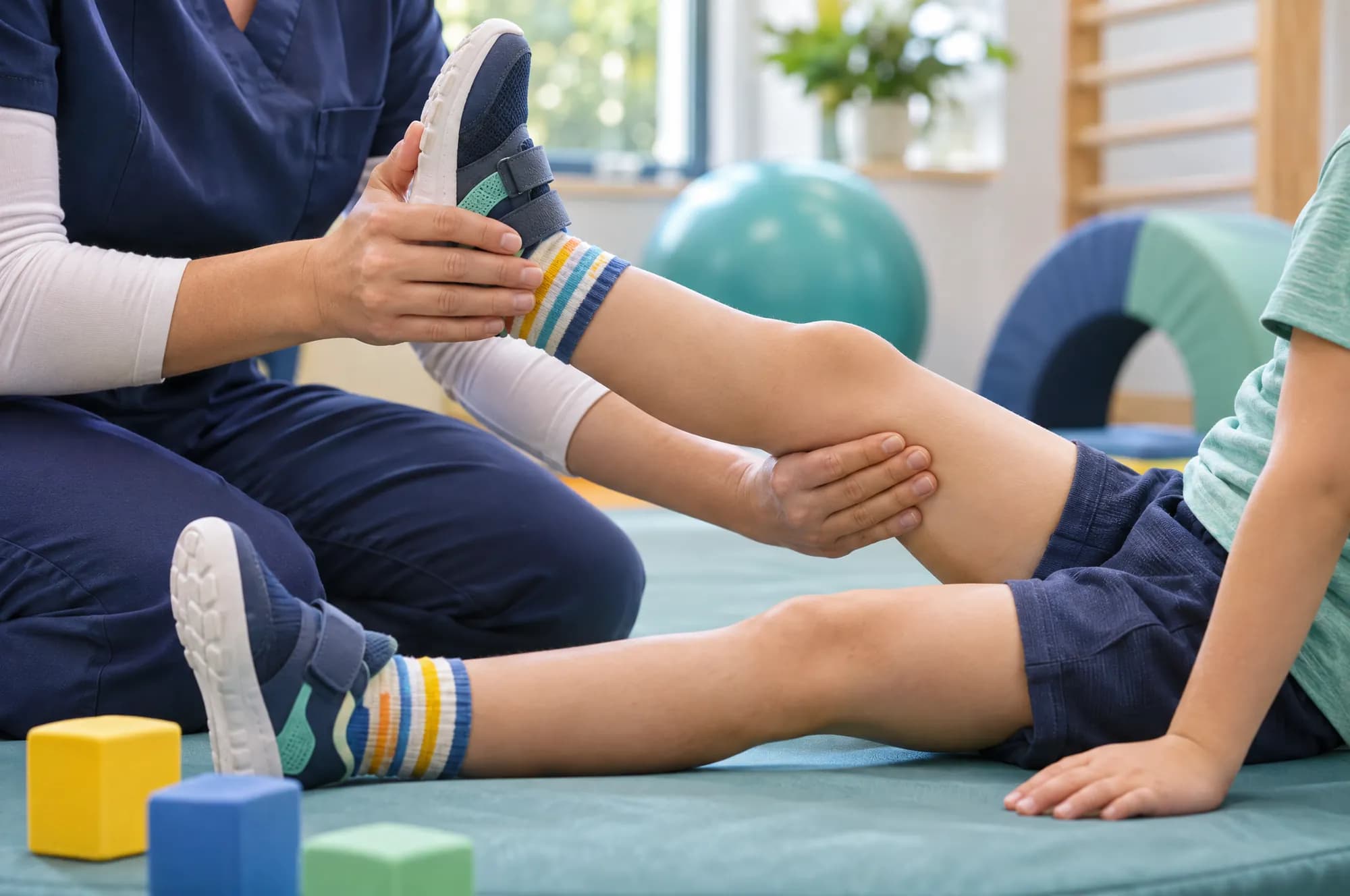
Physiotherapy, started early
Regular physiotherapy started early can help prevent contractures (muscle shortening) to a certain extent. The evidence, however, comes from small studies: a few case reports and uncontrolled studies.
Regular check-ups
Specialist reviews every 6–12 months are suggested, to adjust medicines and the rehabilitation programme.
About prenatal testing
If you are thinking about another pregnancy, it helps to know that a prenatal test result cannot tell whether the condition will appear, at what age or how severely. A clinical genetics consultation can help you understand the options.
Talk to a paediatric neurologist and a clinical geneticist about the right plan for your child, and for exercises look for a physiotherapist experienced in working with children.
SPG4 is not SPG50
You may have read about a gene therapy given to a child with hereditary spastic paraplegia. Most likely it was for SPG50: a different, recessive disease that begins in childhood and has a complex clinical picture. SPG4 is inherited dominantly, and no gene therapy for it has yet been tested in people.
How SPG4 and SPG50 differThe role of the SPAST gene
The SPAST gene sits on the short arm of chromosome 2, in region 2p22.3. It holds the instructions for a 616-amino-acid protein called spastin. The link between this gene and the disease was discovered in 1999.
Everyone has two copies of the gene, one from each parent. In people with SPG4, one of the two copies carries a pathogenic variant.
Variants come in several types. Most are small changes found by sequencing the gene, but about 20–25% are deletions or duplications of whole sections of the gene (exons). Of all pathogenic variants, 77% lie in spastin’s AAA domain, the part that uses energy from ATP.
The type of variant matters: missense variants, which change a single amino acid, have been linked to onset about 10 years earlier than variants that shorten the protein.
What is spastin
Spastin is an enzyme from the AAA ATPase family, proteins that use the chemical energy of ATP to do mechanical work. Its best-known job is severing microtubules, the filaments that form the cell’s internal skeleton and along which materials are transported.
The same gene produces two forms of the protein, starting from two different start sites: M1, the full-length form (about 68 kDa), and M87, slightly shorter (about 60 kDa). M87 is the more abundant form, in neurons and in other tissues alike. M1 has an extra hydrophobic segment that may allow it to anchor in the membrane of the endoplasmic reticulum.
 Conceptual illustration
The two isoforms
- Hydrophobic segment (M1 only)
- AAA domain
What spastin does in the cell
Severs microtubules
Purified spastin can sever microtubules on its own, letting the cell reorganise its network of internal ‘rails’. Its activity is tuned by a chemical modification of tubulin called glutamylation.
Shapes the endoplasmic reticulum
Together with two other HSP proteins, atlastin-1 and REEP1, spastin coordinates the shape of the tubular endoplasmic reticulum with microtubule dynamics.
Helps sorting in endosomes
Spastin helps recycling tubules split off from endosomes. In cells lacking spastin these tubules multiply and receptors are no longer sorted correctly.
Completes cell division
At the end of division, the two daughter cells separate in a step called abscission. Without spastin, the microtubules in the bridge between them are not cut and separation fails.
Supports axonal transport
Mice with defective spastin develop progressive axonal degeneration, with focal swellings of the axons and impaired axonal transport.
Symptoms and variability
The main sign is slowly increasing spasticity in both legs, with brisk reflexes, ankle clonus and an upgoing (Babinski) plantar response on both sides.
Onset is gradual, most often in young adulthood, but symptoms can begin at any age from 1 to 76. Age at onset varies even between members of the same family who carry the same variant.
How often other signs occur
- 77%
have sphincter problems, especially urinary urgency and incontinence
- 60%
have reduced vibration sense at the ankles
- ~50%
have weakness in the upper (proximal) part of the legs
After a long disease duration (about 20 years)
- ~50%
need help to walk
- ~10%
need a wheelchair
These percentages describe large groups of patients. They do not predict how the condition will develop in any one person.
Symptoms are not only about movement. In a study of 30 people with SPG4, fatigue, pain and depression were frequent and often severe.
Penetrance — the likelihood that someone who carries the variant develops the condition — is age-dependent and high, nearly complete. A small proportion of carriers may never notice symptoms. In a study of 842 people, penetrance was slightly lower in women than in men.
How SPG4 is inherited
SPG4 is inherited in an autosomal dominant way: a single altered copy of the SPAST gene is enough for the condition to develop.
Each child of a person with SPG4 has a 50% chance of inheriting the variant. The chance is the same in every pregnancy, whether or not brothers and sisters have inherited it.
Most people diagnosed with SPG4 have an affected parent; the proportion of cases in which the variant appears for the first time in the family (de novo) is low. If neither parent carries the variant, the risk to brothers and sisters is estimated at about 1%, because of the theoretical possibility of germline mosaicism in a parent.
Even when prenatal testing is done, the result cannot tell whether the person will develop the condition, at what age or how severely, because the condition varies so much.
A clinical genetics consultation can help a family understand these risks and the options available to them.
What happens in each pregnancy
- gene copy with a pathogenic variant
- gene copy without the variant
De novo SPG4: when the condition appears for the first time in a family
Sometimes the SPAST variant is not inherited from a parent but appears for the first time in the child. These cases are called de novo. Here is what is known about them and what they mean for a family.
A de novo variant is found in the child's DNA but not in the parents'. It can only be confirmed if both parents are tested as well as the child ("trio" testing). Without the parents' samples, it is not possible to say for certain whether the variant was inherited or arose de novo.
Taken as a whole, de novo cases of SPG4 are rare: most people diagnosed have an affected parent. In a Canadian study of 157 people with SPG4 from 65 families, only three had de novo variants.
In children with early onset, the picture is different. An international registry included 206 people with SPG4 under 40 (median age: 11). Of the 183 in whom the origin of the variant could be established, 90, about half, had a de novo variant.
What de novo SPG4 often looks like in children
A 2022 study described 40 children and young people with de novo SPAST variants; 16 of them had the same variant, p.Arg499His. First signs appeared in early childhood (at a median age of 11 months), with motor and speech delays, followed by spasticity that gradually spread upwards through the body. The picture also included dystonia, bladder and bowel-motility problems, and epilepsy. The authors conclude that de novo variants cause a severe, complex form that differs from the pure form typical of families with SPG4, and warn that it can be mistaken for cerebral palsy.
In the international registry, almost all de novo variants (95.3%) were missense variants, which change a single "building block" of spastin; inherited variants were more varied, most often truncating. De novo missense variants clustered in the subgroup whose disease progressed rapidly.
Even so, de novo does not automatically mean a severe form. The authors of the same study stress that the groups overlap considerably: neither the origin of the variant nor its type explains severity on its own. In a family described in 2007, the variant that arose de novo in a grandfather was present in only some of his cells (mosaicism): his symptoms began at 55, his daughter's at 18 and his grandson's at 5.
No family history does not necessarily mean de novo
A parent can carry the variant without knowing it: penetrance in SPG4 depends on age, and a small share of carriers may never have symptoms. In a study of 146 people with spastic paraplegia and no family history, 12% had a SPAST variant; in one family it came from a mother who had no symptoms. A parent can also carry the variant in only some of their cells (mosaicism), without symptoms, and pass it on to more than one child.
What it means for the family
For the child with SPG4
SPG4 is still an autosomal dominant condition. When the child grows up, each of their own children will have a 50% chance of inheriting the variant, even though it arose de novo.
For brothers and sisters
If neither parent carries the variant, the risk for another child is low, estimated at about 1%, because a parent's reproductive cells could carry it (germline mosaicism). The risk is not zero, though: three affected siblings have been described whose parents had no symptoms, and whose mother carried the variant in only some of her cells.
For parents
Confirming that a variant is de novo requires testing both parents. Before another pregnancy, a clinical geneticist can explain the family's actual risk and the testing options available.
A de novo result often raises new questions and, sometimes, feelings of guilt. A clinical genetics consultation is the right place for them: the geneticist can interpret the child's specific variant and what it means for the whole family.
Read our summary of the 2026 study on early-onset SPG4How the diagnosis is made
SPG4 is diagnosed when a person has the characteristic clinical signs and a genetic test finds a pathogenic variant in the SPAST gene.
Neurological assessment
The doctor looks for the typical signs: spasticity and brisk reflexes in the legs, clonus, a Babinski sign, reduced vibration sense at the ankles and urinary symptoms. Family history matters, but its absence does not rule out SPG4.
Genetic testing
Sequencing the gene finds about 75–80% of variants. The remaining 20–25% are deletions or duplications, so testing — including a multigene panel — should also include deletion/duplication analysis.
Interpreting the result
The result is discussed with a clinical geneticist or neurologist. Testing is worth considering even without a family history: about 10–20% of these people have a SPAST variant.
About MRI
Brain and spinal cord MRI is often normal in SPG4. Some spinal cord atrophy can occur, but it is less marked than in other genetic forms of HSP. A normal MRI therefore does not rule out SPG4.
How symptoms are managed today
There is currently no treatment that cures SPG4 or changes its course. Care focuses on symptoms, and choices are made together with your doctor.
- Physiotherapy
- Regular physiotherapy started early can help prevent contractures to a certain extent. The evidence is still limited: it comes from a few case reports and uncontrolled studies.
- Medicines for spasticity
- Options include baclofen, tizanidine, dantrolene or botulinum toxin, usually one at a time. Baclofen can be tried first and, in some people, given through an intrathecal pump.
- Severe spasticity
- Botulinum toxin and intrathecal baclofen may be offered when oral medicines do not help and spasticity is severe and disabling.
- Bladder
- For urinary urgency or other problems, an early urodynamic assessment is recommended. Options include bladder medicines such as oxybutynin, solifenacin or mirabegron, and botulinum toxin injections into the bladder wall.
- Regular check-ups
- Specialist reviews every 6–12 months are suggested, to adjust medicines and the rehabilitation programme.
- Not every plausible treatment works: in a double-blind trial, gabapentin did not reduce spasticity in people with SPG4.
- No clinical practice guidelines have been published for pure HSP.
Do not start, stop or combine medicines without your doctor’s advice.
Why genetic research matters
SPG4 has a clear cause: a single gene. That does not make the condition simple, but it gives research a precise target. For children with SPG4 and their families, this is where any future treatment begins.
A known target
We know the gene, the protein and many of its functions. The strategies studied today — from restoring spastin levels to gene therapy — aim directly at this cause.
The most common dominant form
SPG4 is the most common autosomal dominant form of HSP, so progress in SPG4 could help the largest group of families living with dominant HSP — children and adults alike.
Time to understand the early phase
The condition usually progresses slowly, and genetic testing can identify carriers before the first symptoms. Studies such as preSPG4 are already following this early phase.
A precedent in another form of HSP
For SPG50, a different disease, a gene therapy was developed within 36 months of a child’s diagnosis and given in a phase 1 trial. The path from the lab to a clinical trial can be travelled in rare diseases too.
Does the timing of treatment matter?
In one mouse study, a gene therapy given to newborn mice prevented symptoms from appearing. That is one reason researchers ask whether the timing of treatment matters. For now it is an open question, not a promise: no therapy of this kind has been tested in children or adults with SPG4.
Emerging research directions
Everything below is preclinical: it has been studied in cells, organoids or laboratory animals. As of , none of these approaches had been tested in people with SPG4.
Microtubule-targeting drugs
Compounds that modify microtubule dynamics, some at very low doses, eased defects in a fly model, in neurons from spastin-deficient mice and in olfactory stem cells from patients.
Studied in
- Drosophila
- Mouse neurons
- Patient-derived cells
HDAC6 inhibition
Tubastatin A restored microtubule acetylation and reduced axonal degeneration in SPG4 cortical organoids; in transgenic mice, corticospinal tract integrity and gait improved.
Studied in
- Human organoids
- Mice
Restoring spastin levels
Raising the level of a single spastin isoform, by genetic means, corrected defects in patients’ neurons. Other studies restored protein levels by blocking its breakdown — for example, by chemically inactivating the CRL4 complex.
Studied in
- Patient neurons
- Mouse neurons
- Drosophila
‘Silence-and-replace’ gene therapy
An AAV9 vector that switches off the body’s own SPAST gene while delivering instructions for healthy spastin (M1 and M87) prevented corticospinal degeneration and gait problems in mice treated just after birth.
Studied in
- Newborn mice
Other compounds and targets
Several compounds, including methylene blue and N-acetyl-cysteine, partly rescued movement problems in worms, flies and zebrafish. A liver X receptor (LXR) agonist and blocking the microRNA miR-33a corrected defects in patients’ neurons, and rapamycin restored autophagy in organoids carrying one rare variant.
Studied in
- Worms
- Flies
- Zebrafish
- Human neurons and organoids
Several of these studies come from the same research network, and independent replication is still limited. A good result in mice does not guarantee a good result in people.
See how a therapy is developed, stage by stageThe questions research is working on
Science on SPG4 has come a long way, but some key questions are still open. Their answers will shape which treatments are worth developing.
Too little spastin, or toxic spastin?
Some data suggest the disease appears when functional spastin falls below a critical level (haploinsufficiency). Others show that the mutant protein can also be toxic (gain of function). GeneReviews considers the debate open.
What does each isoform do?
M1 and M87 sit in different places in the cell and play different roles. The toxic effects of mutant protein may come mainly from M1 — a detail that could matter when designing therapies.
How will we know a treatment works?
The condition progresses slowly and differently from person to person. Treatment trials will need data on its natural course and biomarkers — objective measures of progression. Studies such as preSPG4 are working on this.
How can a therapy reach very long axons?
The affected neurons sit in the motor cortex, and their axons run down the spinal cord. In mice, gene therapy was injected into the brain’s ventricles at birth; in SPG50, the therapy was given intrathecally. Which route would work in people with SPG4, children or adults, is still unknown.
When should treatment start?
In mice, gene therapy prevented symptoms when given very early. We do not yet know whether treatment would help after symptoms begin. A 2026 review sees progress towards a flexible regimen for all stages of the disease — the authors’ outlook, not yet a result. No therapy of this kind has been tested in people.
Why does the condition vary so much?
Variant type and sex influence age at onset and penetrance, but they do not explain all the variability — not even between members of the same family who share the same variant.
SPG4 and SPG50: two different diseases
You may have heard of Melpida, a gene therapy for a form of hereditary spastic paraplegia. It is designed for SPG50, not SPG4 — and the differences between the two diseases matter.
| Feature | SPG4 | SPG50 |
|---|---|---|
| Inheritance | Autosomal dominant | Autosomal recessive |
| Gene | SPAST: one altered copy | AP4M1: both copies affected |
| Typical onset | Usually in adulthood, but highly variable (ages 1–76) | In childhood |
| Clinical picture | Usually a pure form | A complex form |
| Gene therapy | Tested only in mice; no clinical trial | Melpida (AAV9/AP4M1): a single-patient phase 1 trial; phase 1/2 and phase 3 trials recruiting |
What Melpida showed
A 4-year-old with SPG50 received the therapy intrathecally, within three years of diagnosis. At 12 months it was well tolerated, with no serious adverse events, and early measures suggest the disease course stabilised. The authors stress that longer follow-up is needed. It is not a cure. The programme was started by the patient’s father, who later founded Elpida Therapeutics.
Why Melpida is not a treatment for SPG4
Melpida delivers a working copy of a gene whose two copies both fail. In SPG4, one copy of the gene works, and the mutant protein may also be toxic. That is why researchers testing gene therapy for SPG4 in mice chose a strategy that silences the altered gene while delivering a healthy copy.
SPG4 in Romania
In 2008, a scientific letter in the Journal of Neurology, Neurosurgery & Psychiatry (Orlacchio and colleagues) reported, as its title states, a high prevalence of SPG4 mutations among Romanian patients with spastic paraplegia.
We have not yet been able to check the figures in the letter’s full text, so we do not reproduce them. We found no other Romania-specific genetic data on SPG4 in PubMed — a gap future research can fill.
Frequently asked questions
Short answers to questions parents and families often ask. For your own situation, talk to your doctor.
This page helps you understand SPG4, but it cannot replace a consultation. For diagnosis, treatment or genetic testing, talk to a neurologist (for a child, a paediatric neurologist) or a clinical geneticist. Read the medical disclaimer

For children with SPG4 and their families, every open question matters.
We support research that could one day make treatments possible for children and adults with SPG4 — with scientific rigour and every amount reported publicly.
In one mouse study, a gene therapy given to newborn mice prevented symptoms from appearing. Whether the timing of treatment also matters in people is still an open question: no such therapy has yet been tested in children.
Other ways to get involvedSources
- 1.
Blackstone C (2012). Cellular pathways of hereditary spastic paraplegia. Annual Review of Neuroscience 35:25–47.
PMID 22540978Last verified: 6 November 2026
Defines hereditary spastic paraplegias as length-dependent distal axonopathies of the corticospinal tracts.
- 2.
Blackstone C (2018). Hereditary spastic paraplegia. Handbook of Clinical Neurology 148:633–652.
PMID 29478605Last verified: 6 November 2026
Clinical and molecular review of hereditary spastic paraplegias.
- 3.
Lo Giudice T, Lombardi F, Santorelli FM, et al. (2014). Hereditary spastic paraplegia: clinical-genetic characteristics and evolving molecular mechanisms. Experimental Neurology 261:518–539.
PMID 24954637Last verified: 6 November 2026
Source of the ~40% estimate cited by GeneReviews.
- 4.
Solowska JM, Baas PW (2015). Hereditary spastic paraplegia SPG4: what is known and not known about the disease. Brain 138(Pt 9):2471–2484.
PMID 26094131Last verified: 6 November 2026
The M1 and M87 spastin isoforms and hypotheses about disease mechanism.
- 5.
Hedera P (2025). Uncomplicated (Pure) Hereditary Spastic Paraplegia Overview. GeneReviews®, University of Washington, Seattle (updated 5 June 2025).
PMID 20301682Last verified: 6 November 2026
Overview of pure hereditary spastic paraplegia and symptomatic treatment options.
- 6.
Ruano L, Melo C, Silva MC, et al. (2014). The global epidemiology of hereditary ataxia and spastic paraplegia: a systematic review of prevalence studies. Neuroepidemiology 42(3):174–183.
PMID 24603320Last verified: 6 November 2026
Prevalence of autosomal dominant forms: 0.5–5.5 per 100,000 (pooled average 1.8); SPG4 is the most common dominant form in every population studied.
- 7.
Parodi L, Rydning SL, Tallaksen C, Durr A (2019). Spastic Paraplegia 4. GeneReviews®, University of Washington, Seattle (posted 2003; updated 13 June 2019).
PMID 20301339Last verified: 6 November 2026
The core clinical reference for SPG4: frequency, onset, symptoms, inheritance, diagnosis and symptomatic care.
- 8.
Parodi L, Fenu S, Barbier M, et al. (2018). Spastic paraplegia due to SPAST mutations is modified by the underlying mutation and sex. Brain 141(12):3331–3342.
PMID 30476002Last verified: 6 November 2026
Study of 842 people with SPG4: onset, penetrance and variant types.
- 9.
Alecu J, Schierbaum L, Ebrahimi-Fakhari D (2025). AP-4-Associated Hereditary Spastic Paraplegia. GeneReviews®, University of Washington, Seattle (updated 6 February 2025).
PMID 30543385Last verified: 6 November 2026
Describes SPG50 and the other AP-4 forms: autosomal recessive, childhood-onset and complex.
- 10.
Dowling JJ, Pirovolakis T, Devakandan K, et al. (2024). AAV gene therapy for hereditary spastic paraplegia type 50: a phase 1 trial in a single patient. Nature Medicine 30(7):1882–1887.
PMID 38942994Last verified: 6 November 2026
First patient treated (SPG50): well tolerated at 12 months, with preliminary signs of stabilisation — not a cure.
- 11.
U.S. National Library of Medicine (2026). ClinicalTrials.gov — studies listing SPG4 / SPAST (search of 6 November 2026). ClinicalTrials.gov.
clinicaltrials.govLast verified: 6 November 2026
At the time of the search there was no interventional study of a disease-modifying treatment specific to SPG4.
- 12.
National Center for Biotechnology Information (2026). SPAST spastin [Homo sapiens] — Gene ID 6683. NCBI Gene.
www.ncbi.nlm.nih.govLast verified: 6 November 2026
Location of the SPAST gene: 2p22.3.
- 13.
Hazan J, Fonknechten N, Mavel D, et al. (1999). Spastin, a new AAA protein, is altered in the most frequent form of autosomal dominant spastic paraplegia. Nature Genetics 23(3):296–303.
PMID 10610178Last verified: 6 November 2026
Discovery of the SPAST gene and the spastin protein.
- 14.
Orphanet (2026). Autosomal dominant spastic paraplegia type 4 (ORPHA:100985). Orphanet — the portal for rare diseases and orphan drugs.
www.orpha.netLast verified: 6 November 2026
Orphanet entry for SPG4.
- 15.
Errico A, Ballabio A, Rugarli EI (2002). Spastin, the protein mutated in autosomal dominant hereditary spastic paraplegia, is involved in microtubule dynamics. Human Molecular Genetics 11(2):153–163.
PMID 11809724Last verified: 6 November 2026
First evidence that spastin regulates microtubule dynamics.
- 16.
Evans KJ, Gomes ER, Reisenweber SM, et al. (2005). Linking axonal degeneration to microtubule remodeling by Spastin-mediated microtubule severing. Journal of Cell Biology 168(4):599–606.
PMID 15716377Last verified: 6 November 2026
Purified spastin is sufficient to sever microtubules.
- 17.
Claudiani P, Riano E, Errico A, et al. (2005). Spastin subcellular localization is regulated through usage of different translation start sites and active export from the nucleus. Experimental Cell Research 309(2):358–369.
PMID 16026783Last verified: 6 November 2026
The two spastin isoforms (68 and 60 kDa).
- 18.
Ramakrishnan S, Mohan N, Dong Z, et al. (2025). Unraveling isoform complexity: the roles of M1- and M87-spastin in spastic paraplegia 4 (SPG4). Movement Disorders 40(3):420–430.
PMID 39614608Last verified: 6 November 2026
The different roles of the two spastin isoforms.
- 19.
Roll-Mecak A, Vale RD (2008). Structural basis of microtubule severing by the hereditary spastic paraplegia protein spastin. Nature 451(7176):363–367.
PMID 18202664Last verified: 6 November 2026
First structural model of the spastin hexamer.
- 20.
Sandate CR, Szyk A, Zehr EA, et al. (2019). An allosteric network in spastin couples multiple activities required for microtubule severing. Nature Structural & Molecular Biology 26(8):671–678.
PMID 31285604Last verified: 6 November 2026
Cryo-EM structure of spastin with a glutamate peptide in its central pore.
- 21.
Han H, Schubert HL, McCullough J, et al. (2020). Structure of spastin bound to a glutamate-rich peptide implies a hand-over-hand mechanism of substrate translocation. Journal of Biological Chemistry 295(2):435–443.
PMID 31767681Last verified: 6 November 2026
Human spastin structure and the hand-over-hand mechanism.
- 22.
Valenstein ML, Roll-Mecak A (2016). Graded control of microtubule severing by tubulin glutamylation. Cell 164(5):911–921.
PMID 26875866Last verified: 6 November 2026
Tubulin glutamylation regulates spastin activity.
- 23.
Park SH, Zhu PP, Parker RL, et al. (2010). Hereditary spastic paraplegia proteins REEP1, spastin, and atlastin-1 coordinate microtubule interactions with the tubular ER network. Journal of Clinical Investigation 120(4):1097–1110.
PMID 20200447Last verified: 6 November 2026
Spastin and shaping of the endoplasmic reticulum.
- 24.
Allison R, Lumb JH, Fassier C, et al. (2013). An ESCRT-spastin interaction promotes fission of recycling tubules from the endosome. Journal of Cell Biology 202(3):527–543.
PMID 23897888Last verified: 6 November 2026
Spastin and endosomal trafficking.
- 25.
Connell JW, Lindon C, Luzio JP, et al. (2009). Spastin couples microtubule severing to membrane traffic in completion of cytokinesis and secretion. Traffic 10(1):42–56.
PMID 19000169Last verified: 6 November 2026
Spastin's role in cell division.
- 26.
Fassier C, Tarrade A, Peris L, et al. (2013). Microtubule-targeting drugs rescue axonal swellings in cortical neurons from spastin knockout mice. Disease Models & Mechanisms 6(1):72–83.
PMID 22773755Last verified: 6 November 2026
Mouse neurons: microtubule-targeting drugs correct axonal swellings.
- 27.
Scheuer KH, Svenstrup K, Jennum P, et al. (2007). Double-blind crossover trial of gabapentin in SPG4-linked hereditary spastic paraplegia. European Journal of Neurology 14(6):663–666.
PMID 17539946Last verified: 6 November 2026
Controlled trial: gabapentin did not reduce spasticity in SPG4.
- 28.
Mohan N, Qiang L, Morfini G, et al. (2021). Therapeutic strategies for mutant SPAST-based hereditary spastic paraplegia. Brain Sciences 11(8):1081.
PMID 34439700Last verified: 6 November 2026
Review of proposed therapeutic strategies for SPG4.
- 29.
Piermarini E, Baas PW (2026). SPG4 hereditary spastic paraplegia: from etiology to therapy. Movement Disorders 41(10):2592–2605.
PMID 42538614Last verified: 6 November 2026
The most recent review of SPG4 causes and therapeutic directions.
- 30.
Portero D, Xu Q, Hussain A, et al. (2025). A father's crusade in rare disease drug development: a case study of Elpida therapeutics and Melpida. Orphanet Journal of Rare Diseases 20(1):363.
PMID 40665386Last verified: 6 November 2026
Case study of how a family initiated the development of Melpida.
- 31.
Piermarini E, Guha S, Qiang L, et al. (2026). Intracerebroventricular SPAST-AAV9 gene therapy prevents manifestation of symptoms in a mouse model of SPG4 hereditary spastic paraplegia. Molecular Therapy 34(3):1729–1742.
PMID 41311060Last verified: 6 November 2026
‘Silence-and-replace’ gene therapy in newborn mice: prevented symptoms. Not tested in humans.
- 32.
Orso G, Martinuzzi A, Rossetto MG, et al. (2005). Disease-related phenotypes in a Drosophila model of hereditary spastic paraplegia are ameliorated by treatment with vinblastine. Journal of Clinical Investigation 115(11):3026–3034.
PMID 16276413Last verified: 6 November 2026
Drosophila model: vinblastine attenuates the phenotype.
- 33.
Fan Y, Wali G, Sutharsan R, et al. (2014). Low dose tubulin-binding drugs rescue peroxisome trafficking deficit in patient-derived stem cells in Hereditary Spastic Paraplegia. Biology Open 3(6):494–502.
PMID 24857849Last verified: 6 November 2026
Patient-derived cells: very low doses of tubulin-binding drugs.
- 34.
Mohan N, Ramakrishnan S, Sun X, et al. (2026). Modeling spastic paraplegia 4 with corticospinal motor neuron-enriched cortical organoids reveals genotype-phenotype and HDAC6-targetable pathology. Cell Reports 45(3):117036.
PMID 41739645Last verified: 6 November 2026
Organoids and mice: HDAC6 inhibition rescues axonal degeneration.
- 35.
Havlicek S, Kohl Z, Mishra HK, et al. (2014). Gene dosage-dependent rescue of HSP neurite defects in SPG4 patients' neurons. Human Molecular Genetics 23(10):2527–2541.
PMID 24381312Last verified: 6 November 2026
Patient neurons: raising spastin levels corrects defects.
- 36.
Sardina F, Pisciottani A, Ferrara M, et al. (2020). Spastin recovery in hereditary spastic paraplegia by preventing neddylation-dependent degradation. Life Science Alliance 3(12):e202000799.
PMID 33106322Last verified: 6 November 2026
Spastin levels can be restored pharmacologically by blocking its degradation.
- 37.
Sardina F, Carsetti C, Giorgini L, et al. (2024). Cul-4 inhibition rescues spastin levels and reduces defects in hereditary spastic paraplegia models. Brain 147(10):3534–3546.
PMID 38551087Last verified: 6 November 2026
Flies and patient cells: restoring spastin levels reduces defects.
- 38.
Julien C, Lissouba A, Madabattula S, et al. (2016). Conserved pharmacological rescue of hereditary spastic paraplegia-related phenotypes across model organisms. Human Molecular Genetics 25(6):1088–1099.
PMID 26744324Last verified: 6 November 2026
Compounds tested in worms, flies and zebrafish.
- 39.
Rehbach K, Kesavan J, Hauser S, et al. (2019). Multiparametric rapid screening of neuronal process pathology for drug target identification in HSP patient-specific neurons. Scientific Reports 9(1):9615.
PMID 31270336Last verified: 6 November 2026
Drug screening in patient-derived neurons.
- 40.
Nakazeki F, Tsuge I, Horie T, et al. (2019). MiR-33a is a therapeutic target in SPG4-related hereditary spastic paraplegia human neurons. Clinical Science 133(4):583–595.
PMID 30777884Last verified: 6 November 2026
Oligonucleotide approach targeting miR-33a, not the SPAST gene.
- 41.
Zhang D, Hu Y, Guo J, et al. (2026). Reversing autophagy inhibition ameliorates neurodegeneration in hereditary spastic paraplegia caused by a degradation-resistant SPAST mutation. Movement Disorders 41(3):625–637.
PMID 41403389Last verified: 6 November 2026
Organoids carrying one rare variant: rapamycin restored autophagy.
- 42.
Qiang L, Piermarini E, Muralidharan H, et al. (2019). Hereditary spastic paraplegia: gain-of-function mechanisms revealed by new transgenic mouse. Human Molecular Genetics 28(7):1136–1152.
PMID 30520996Last verified: 6 November 2026
Evidence for a toxic effect of mutant spastin.
- 43.
Chen X, Dong T, Hu Y, et al. (2023). Intrathecal AAV9/AP4M1 gene therapy for hereditary spastic paraplegia 50 shows safety and efficacy in preclinical studies. Journal of Clinical Investigation 133(10):e164575.
PMID 36951961Last verified: 6 November 2026
Preclinical studies for SPG50 gene therapy.
- 44.
U.S. National Library of Medicine (2026). ClinicalTrials.gov — NCT06069687, NCT05518188, NCT06692712 (AAV9/AP4M1 for SPG50). ClinicalTrials.gov.
clinicaltrials.govLast verified: 6 November 2026
Clinical trials of SPG50 gene therapy (not SPG4).
- 45.
Orlacchio A, Patrono C, Borreca A, et al. (2008). Spastic paraplegia in Romania: high prevalence of SPG4 mutations. Journal of Neurology, Neurosurgery & Psychiatry 79(5):606–607.
PMID 17971434Last verified: 6 November 2026
Scientific letter on the SPG4 mutation profile in Romanian patients. We have not yet verified its numerical details in the full text.